TECH VEDA

Embedded Linux on Edge-AI 23rd Sept 2026 enrollingLinux kernel & Device drivers starts on 24th Oct 2026 enrollingCorporate on-site training - Submit proposal Pick your modulessignup for free monthly live Masterclass Register
HomeTraining ProgramsEmbedded Linux BSP Development & Board Bring-Up
AdvancedHands-on

Port bootloaders, build an end-to-end secure boot chain, and bring up real silicon — i.MX8M, STM32MP1 and RISC-V.

Embedded Linux BSP Development & Board Bring-Up

An advanced, lab-driven program for engineers who own the board support package. Port U-Boot to new silicon, build a verified boot chain from fuses to root filesystem, stand up CI/CD for multi-machine Yocto builds, debug at the JTAG and early-boot level, and harden the device for production.

🔌 Port U-Boot on real SoCs
🔐 End-to-end secure boot
🏭 CI/CD for BSP builds
Enquire about this track★★★★★ Rated by 10,000+ engineers trained since 2003

See the embedded Linux career roadmap →

OverviewAbout this program

This advanced program is for engineers who already build embedded Linux and now need to own the board support package end to end — the layer where new silicon, secure boot, build automation and field hardening actually come together. It picks up where image-building leaves off and goes down to the metal.

You port U-Boot to three very different targets — NXP i.MX8M (Cortex-A53), STM32MP1 (Cortex-A7 + TF-A) and RISC-V (OpenSBI + S-mode) — then build a complete chain of trust: root of trust in fuses, FIT image signing, secure-boot enforcement and dm-verity rootfs integrity. From there you stand up CI/CD for multi-machine Yocto builds, debug bring-up failures at the JTAG and early-boot level, and finish with production-grade security — MAC policy, mTLS, OTA and CVE/SBOM compliance.

The methodology is learn-by-doing against real boards and QEMU targets. Every module pairs a focused theory session with a mandatory lab, mirroring how a working BSP team operates. It is the deep, board-level companion to TECH VEDA’s Embedded Linux / Yocto program.

OutcomesWhat you'll be able to do

  • Port U-Boot to a new board on i.MX8M, STM32MP1 and RISC-V — from defconfig and DTS to a working UART prompt.
  • Stand up the SPL → TF-A/OpenSBI → U-Boot → kernel boot flow and tune DRAM, clocks and PMIC bring-up.
  • Build an end-to-end secure boot chain — root of trust in fuses, FIT signing, and U-Boot signature enforcement.
  • Protect the root filesystem with dm-verity and embed the root hash inside the signed boot image.
  • Design CI/CD pipelines for multi-machine BSP builds with Jenkins, shared sstate, and automated boot-tests.
  • Debug board bring-up at the lowest level — earlycon, JTAG/OpenOCD, and live kernel inspection over GDB.
  • Diagnose storage and flash issues with blktrace, debugfs and MTD/UBI tooling.
  • Threat-model an embedded device and harden the kernel attack surface for production.
  • Confine services with SELinux/AppArmor and secure device communication with TLS/mTLS.
  • Ship secure OTA updates with A/B partitions and signing, and run CVE / SBOM release compliance.
CurriculumBootloader porting, secure boot, CI/CD, board-level debugging and production hardening

Five advanced modules, each a focused theory session paired with a mandatory hands-on lab on real silicon or QEMU.

01Bootloader Porting — U-Boot
  • Boot flow: ROM → SPL → U-Boot → kernel; memory map, XIP and DRAM init
  • Porting U-Boot to NXP i.MX8M (Cortex-A53) — defconfig/Kconfig/DTS, clock, DRAM and PMIC bring-up, new board target
  • Porting to STM32MP1 — TF-A as BL2, flash layout, stm32mp board-family config
  • Porting to RISC-V (SiFive / BeagleV) — OpenSBI M-mode firmware, U-Boot in S-mode, board/ directory port
  • U-Boot environment & scripting — fw_env, bootcmd/bootargs; env storage in NAND / eMMC / SPI-NOR
  • FIT image structure and multi-payload boot
  • Lab: bring up a working U-Boot prompt over UART on an i.MX8M EVK variant
  • Lab: build TF-A + U-Boot and flash the STM32MP157 via SD card, verifying the console
02Secure Boot — End to End
  • Chain of trust: root of trust, hardware fuses/OTP, HAB (NXP) / TBB (ARM) / STM32 secure boot
  • Trusted Firmware-A & TrustZone — BL1→BL2→BL31→BL32 (OP-TEE) →BL33; measured vs verified boot
  • Signing boot & kernel images — key hierarchy (root CA → image keys), RSA/ECDSA, FIT signing across kernel + DTB + initramfs
  • Secure-boot enforcement in U-Boot — CONFIG_FIT_SIGNATURE, fuse key-hash, rollback counters
  • dm-verity — rootfs hash tree and embedding the root hash inside the signed FIT image
  • Application-layer security — OP-TEE secure storage (PKCS#11) and TPM 2.0 fundamentals
  • Lab: sign a FIT image and watch U-Boot reject a tampered image; corrupt a dm-verity block and watch the kernel refuse the rootfs
03CI/CD for Yocto BSP Builds
  • Yocto for automation — layer model, sstate-cache and DL_DIR mechanics, headless failure patterns
  • Jenkins for embedded — controller/agent on Linux build servers, declarative Jenkinsfile, kas as front-end
  • Multi-machine BSP pipelines — webhooks, parallel MACHINE builds (i.MX8 / STM32MP1 / RISC-V), shared sstate & hashequiv
  • Build optimisation — cache-invalidation strategies, rebuild triggers, artifact archival and pruning
  • Automated testing — LAVA, ptest and QEMU boot-tests reporting back to the dashboard
  • Pipeline security — credential stores (Jenkins credentials / Vault), build-time key injection, reproducible builds and SBOM (create-spdx)
  • Lab: write a multi-stage Jenkinsfile — fetch → build → archive → notify
04Board & Kernel Bring-Up Debugging
  • Early-boot debugging — earlycon / earlyprintk (DEBUG_LL on ARMv7), UART vs JTAG console, decoding panics and oops backtraces with decode_stacktrace.sh / addr2line
  • JTAG & OpenOCD — GDB on Cortex-A, hardware breakpoints/watchpoints, halting the kernel mid-boot and inspecting init_task / the run queue
  • Storage & flash debugging — blktrace/blkparse, debugfs introspection, MTD/UBI tips for NAND
  • Note: in-depth KASAN/KFENCE, lockdep and ftrace/perf are covered in the Linux Kernel Infrastructure program — here we focus on the board / hardware bring-up angle
  • Lab: halt the kernel mid-boot over JTAG and inspect live kernel state
05Embedded Security & Release Hardening
  • Threat modeling for embedded / IoT — attack surface, STRIDE, mapping to a BSP feature checklist
  • Kernel hardening — CONFIG_HARDENED_USERCOPY, stack canaries / ASLR / PIE, trimming attack surface with kconfig-hardened-check
  • Mandatory access control — SELinux / AppArmor, a minimal policy to confine a BSP daemon, ausearch & audit2allow
  • Secure communication — TLS/mTLS (mbedTLS vs OpenSSL), certificate provisioning at manufacturing, MQTT/CoAP over TLS
  • OTA update security — SWUpdate / Mender, A/B partition scheme, signed updates and rollback protection
  • CVE & supply chain — Yocto cve-check, NVD/MITRE triage, SBOM with create-spdx, binwalk on third-party blobs
  • Lab: confine a service with SELinux, then sign an OTA update and reject a tampered image
Display & GPU porting — DRM panel bring-up, display device trees, GPU stacks and Weston — is deliberately not squeezed in here: it is a full program of its own. See Linux Multimedia Drivers.

LabsRecommended hardware

Labs run on real reference boards and QEMU so you practise board bring-up exactly as it happens on the job.

NXP i.MX8M Mini EVKFull HAB secure-boot support — bootloader porting, signing and dm-verity labs.
STM32MP157 Discovery KitTF-A + STM32CubeProgrammer flow for the Cortex-A7 + Cortex-M4 hybrid bring-up.
RISC-V — HiFive / QEMU virtOpenSBI + U-Boot in S-mode for the RISC-V porting module.
QEMU arm64 virtNo-hardware path for the CI/CD, debugging and security labs.

Before you startPrerequisites

This is an advanced track. You should already be fluent in Yocto / BitBake and comfortable with kernel and embedded-Linux fundamentals — cross-compilation, device trees, and the boot process. TECH VEDA’s Embedded Linux on edge-AI platforms (Yocto) program is the recommended feeder: it builds the image and BSP-layer foundation this course assumes, so you can spend your time here on the harder, lower-level work — porting bootloaders to new silicon, enforcing secure boot, and debugging real bring-up failures.

AudienceWho should enroll

BSP developersEmbedded Linux engineersFirmware & bootloader engineersBoard bring-up engineersPlatform & device-security engineersYocto / build-system engineersEngineers owning secure boot & OTATeams bringing up custom silicon

Your mentorLearn directly from the founder

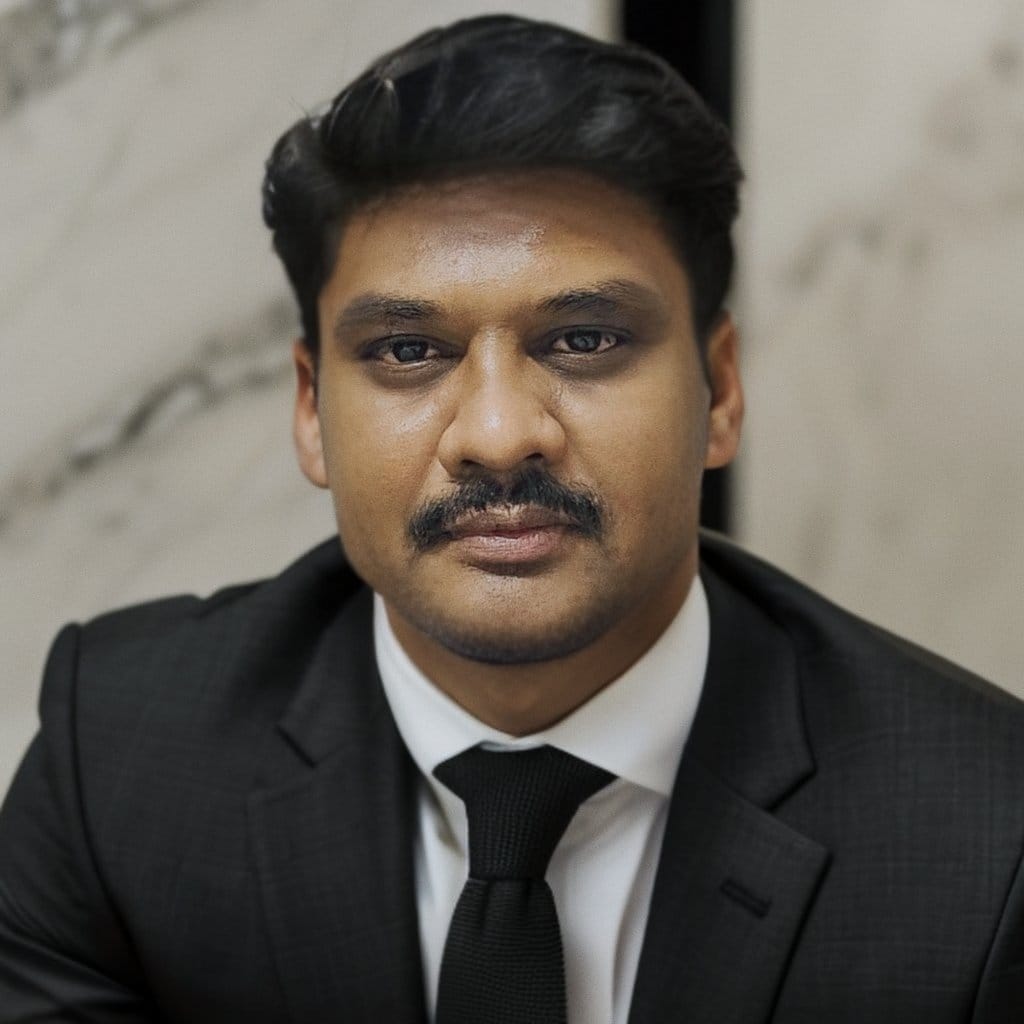
Raghu Bharadwaj, founder of TECH VEDA

Raghu Bharadwaj

Founder & Chief Mentor

75+ onsite trainings · 45+ enterprise clients · 10,000+ careers transformed since 2003. Author of Mastering Linux Kernel Development and the architect of TECH VEDA's hands-on training model.

ReviewsParticipant experiences

★★★★★

“Raghu Sir has this unique ability to keep our attention drawn to the overall framework of embedded Linux & drivers, even as we go deep into each interface and core concept.”

SH
Shailesh
★★★★★

“Highly experienced and skilled in Linux kernel, device-driver development and the embedded domain. He knows exactly where students get stuck and helps you learn problem-solving approaches.”

AN
Anupam
★★★★★

“The way Raghu Sir simplified deep kernel internals and made us work on every aspect practically has made real-world embedded development a cakewalk.”

PV
Pavan

FAQsCommon questions

Is this course for beginners?+
No — it is an advanced track for engineers who already build embedded Linux. You should be comfortable with Yocto and kernel basics first; we recommend the Embedded Linux on edge-AI (Yocto) program as the prerequisite.
How is this different from the Embedded Linux / Yocto course?+
That course teaches you to build images and BSP layers within Yocto. This course goes lower — porting U-Boot to brand-new silicon, building and enforcing a secure boot chain, standing up CI/CD for multi-machine builds, and hardening the device with OTA, MAC and CVE/SBOM compliance.
Do I need the hardware?+
Recommended boards are the NXP i.MX8M Mini EVK and the STM32MP157 Discovery Kit, but much of the CI/CD, debugging and security work runs on QEMU, so you can follow most labs without buying every board.
Can this run as a corporate onsite?+
Yes. The curriculum is modelled on a real BSP-team engagement and can be tailored to your SoCs, toolchain and security requirements for an onsite delivery.
Why is display / graphics porting not a module here?+
DRM/KMS, panel and GPU bring-up deserve more than a squeezed-in module — they are covered end to end in our Linux Multimedia Drivers program, which pairs naturally with this track for teams building vision or HMI products.

Clients who engaged us for Embedded Linux

Murata logoAMD logoStryker logoMercedes-Benz logoSiemens logoXilinx logo

Ready when you are

Talk to us about this program

Tell us your goal and background — we'll share the full curriculum, upcoming dates and combo pricing, and answer your questions. Pick whichever way is easiest for you.

  • Response within 1 business day
  • Full curriculum & fee details
  • Guidance on the right track / combo
  • EMI / UPI payment options